
By Carol Marchel
At the corner of Larpenteur and Victoria, near Roseville’s border with St. Paul, lies Roselawn Cemetery. This 160-acre cemetery, founded in 1904, is famous — and fascinating — in ways many people don’t fully appreciate.
Roselawn has historic roots. The property was originally the farm and home of Minnesota’s sixth governor, William Marshall. The first burial at the site was that of Ada Butler in 1904. Some older graves were also moved to Roselawn from Nicollet Island when that land was redeveloped.
The cemetery’s layout and buildings were designed by Cass Gilbert, best known for designing the Minnesota State Capitol and the U.S. Supreme Court Building. Roselawn’s plan was inspired by a popular idea at the time: that cemeteries should resemble gardens, with scenic winding paths, many trees and well-designed structures. To this day, the cemetery allows only natural flowers, adding to its quiet elegance. The chapel and cemetery office are listed on the National Register of Historic Places. According to Executive Director Amanda Thoreson, these buildings have been carefully restored by firms with expertise in Cass Gilbert architecture.
While all burials are honored, some graves at Roselawn stand out for their historical or cultural significance. Many well-known individuals are buried there. Among them:
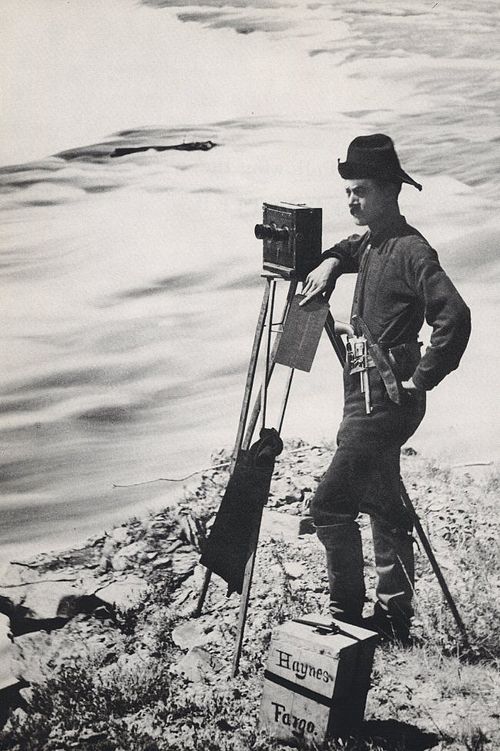
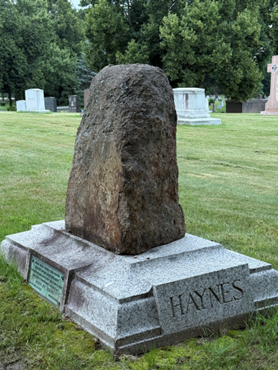
- Frank Jay Haynes, the first official photographer of the Grand Canyon. His grave is marked with a Yellowstone boulder donated by the U.S. government—what Thoreson calls the most interesting monument in the cemetery.
- William Fawcett, an actor known for many early TV shows and Westerns, including Fury: The Story of a Horse and the Boy Who Loved Him.
- Comedian Mitch Hedberg, who was gaining national fame in the 1980s at the time of his death.
- Major League Baseball player Mickey Rocco.
- Herb Brooks, Olympic hockey coach of “Miracle on Ice” fame.
- Zaam Thoj Muas, whose grave features a copy of the Congressional Record recognizing his heroism during the Vietnam War.
- Don, a Civil War horse that carried Gov. William Marshall into — and out of — numerous battles.
Roselawn also reflects Minnesota’s immigration history. The cemetery includes a rich sampling of Irish, German, Polish, Scandinavian and other communities that helped shape the state. A stroll through Roselawn is a walk through time.
Particularly noteworthy are the graves of Hmong residents, many of whom immigrated from Laos following the Vietnam War. Compared to other regional cemeteries, Roselawn ranks third in the number of Hmong burials. Thoreson said cultural preferences for higher ground and a view of the Minnesota Capitol contributed to the community’s choice of Roselawn.
Included among the Hmong graves are those of decorated military veterans who supported U.S. forces during the war. Many graves feature photos of the deceased in traditional dress. Thoreson noted that Hmong customs shape the placement and orientation of graves, and that extended periods of visitation and memorialization are common.
Roselawn continues to evolve. In addition to restoring its historic buildings, cemetery staff have removed aging trees and shrubs and replaced them with hundreds of new plantings. New signage and a digital grave-locating system are in development. There are also plans for green burial spaces and the restoration of aging headstones.
Modern technology is changing how families remember their loved ones. Ceramic plaques and monuments can now include QR codes that link to audio recordings of the deceased.
Roselawn sees itself not only as a burial ground but as a place for family milestones. In one instance, a baptism was held at the chapel following a memorial service. Marriages have taken place on burial plots of close relatives, Thoreson said.
Board President Spaeth said a large open house is planned for June 2026 to celebrate Roselawn’s continued growth and transformation.
While many cemeteries face declining usage, Roselawn is thriving. Spaeth said roughly 75% of Minnesotans are now cremated, and only a third of those are memorialized in cemeteries. Still, Roselawn has grown to include three full-time administrative staff, three full-time grounds crew members and about 10 part-time grounds workers.
Thoreson attributes that growth to a commitment to service and remembrance.
“Our strong belief in the importance of memorializing our loved ones — our commitment to preserving history and serving the community — drives everything we do,” she said.
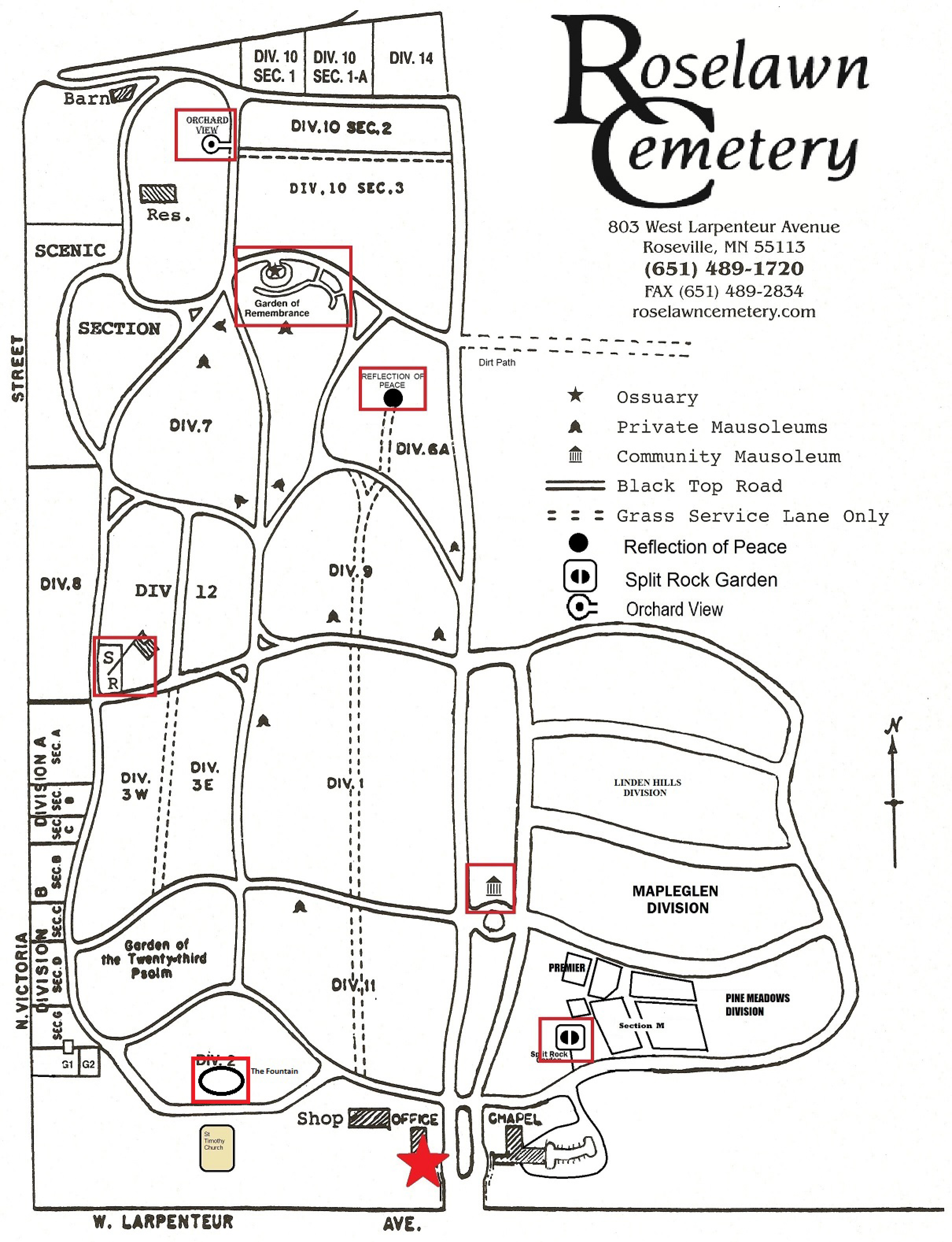
A great way to appreciate Roselawn’s beauty and history is by exploring its many fascinating graves. Guided tours are offered each fall during peak leaf season — check Roselawn’s Facebook page for announcements. Visitors can also stop by the cemetery office, just inside the main entrance, for maps and directions.
To visit Roselawn Cemetery is to experience a place as peaceful, historic and garden-like as its founders intended.
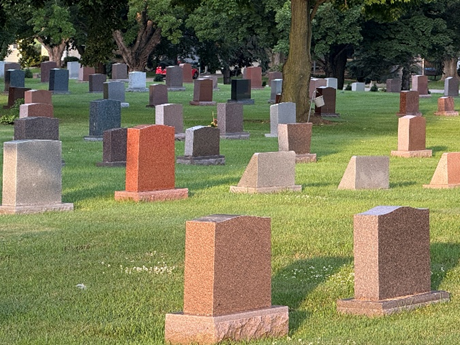
Photo credit: Early morning at Roselawn. Photo by Carol Marchel.