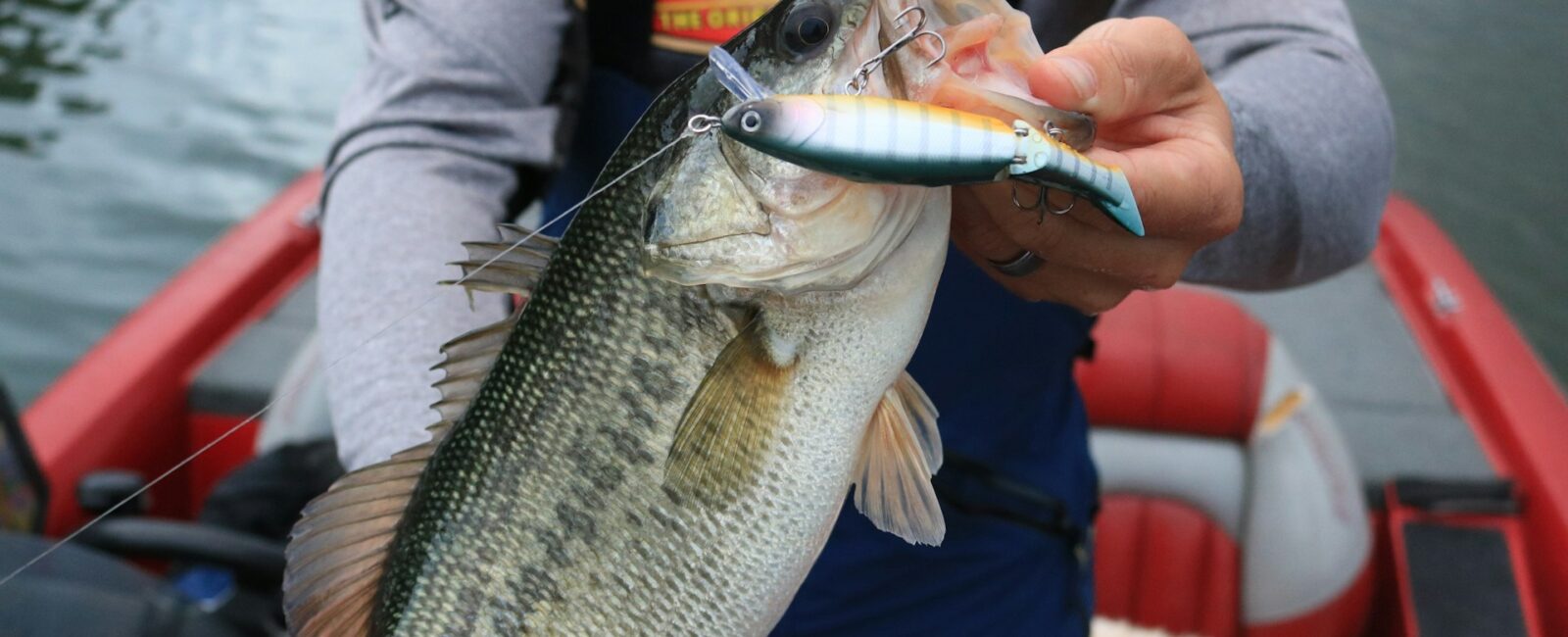
Bass catches like this one could contain hazardous levels of mercury and PFAS, but anglers can check if their favorite lake is safe. Photo by Trophy Technology on Unsplash
The guidelines concern mercury and PFAS levels in local lakes and urge anglers to check levels online
By Tam McGehee
Minnesotans will begin fishing in lakes and streams on a regular basis when the season for walleye, sauger, northern pike and bass opens on Saturday, May 9.
Some will fish for sport and others for food— and fish consumption has come under the watchful eye of the Minnesota Department of Health.
Through the Health Department and Departmet of Natural resources, anglers and consumers of local fish can now check the contaminant level of mercury and PFAS in fish from specific lakes.
According to the Department of Health, mercury is a potent neurotoxin which can harm an unborn fetus and impact learning and memory throughout childhood.
PFAS are synthetic chemicals also known as “forever chemicals.” There are many different PFAS with many potential health affects, per the Health Department. Immune suppression and changes in liver function have been most consistently observed, according to their website.
Although the effects of PFAS are less understood and still under study, the Health Department includes information for contamination levels above what is considered safe.
Which Roseville lakes are safe?
Using the Lake Finder tool and Food Consumption guidelines, only Lake Owasso has contaminant levels low enough to allow consumption. Both Lakes Johanna and Josephine are listed as contaminated with PFAS at an unsafe level for consuming all species.
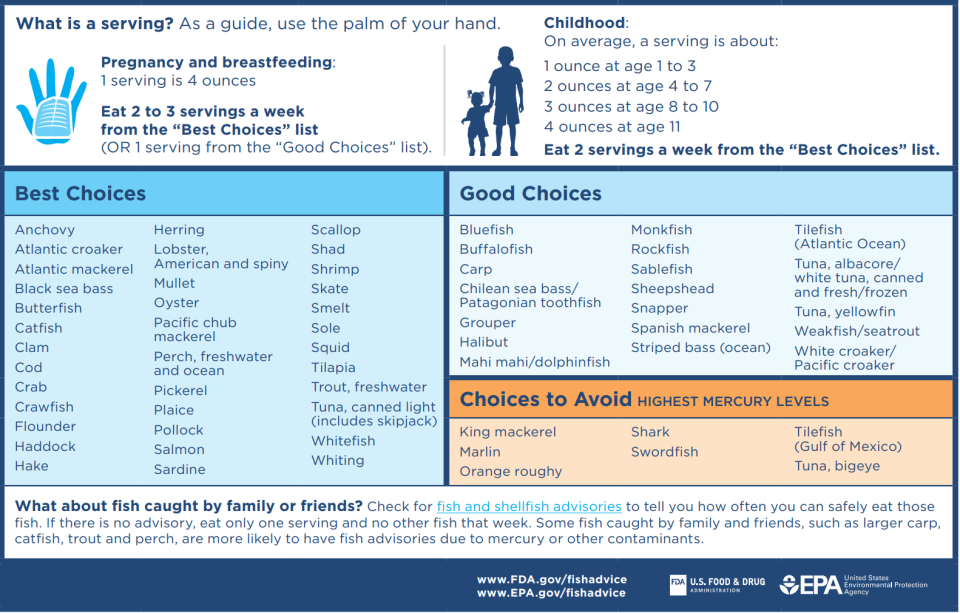
Fish is a valuable addition to a balanced diet. It’s high in omega-3 fatty acids that help with brain development in utero and in childhood. On top of the Minnesota state guidelines, the U.S. Environmental Protection Agency has a useful chart for purchasing and consuming commercial fish and shellfish. This guidance can assist in making healthy choices for your family.