Photo by Arnold Dogelis on Unsplash
Here’s what to do to protect yourself and your family against hazardous air quality
By Sommer Wagen
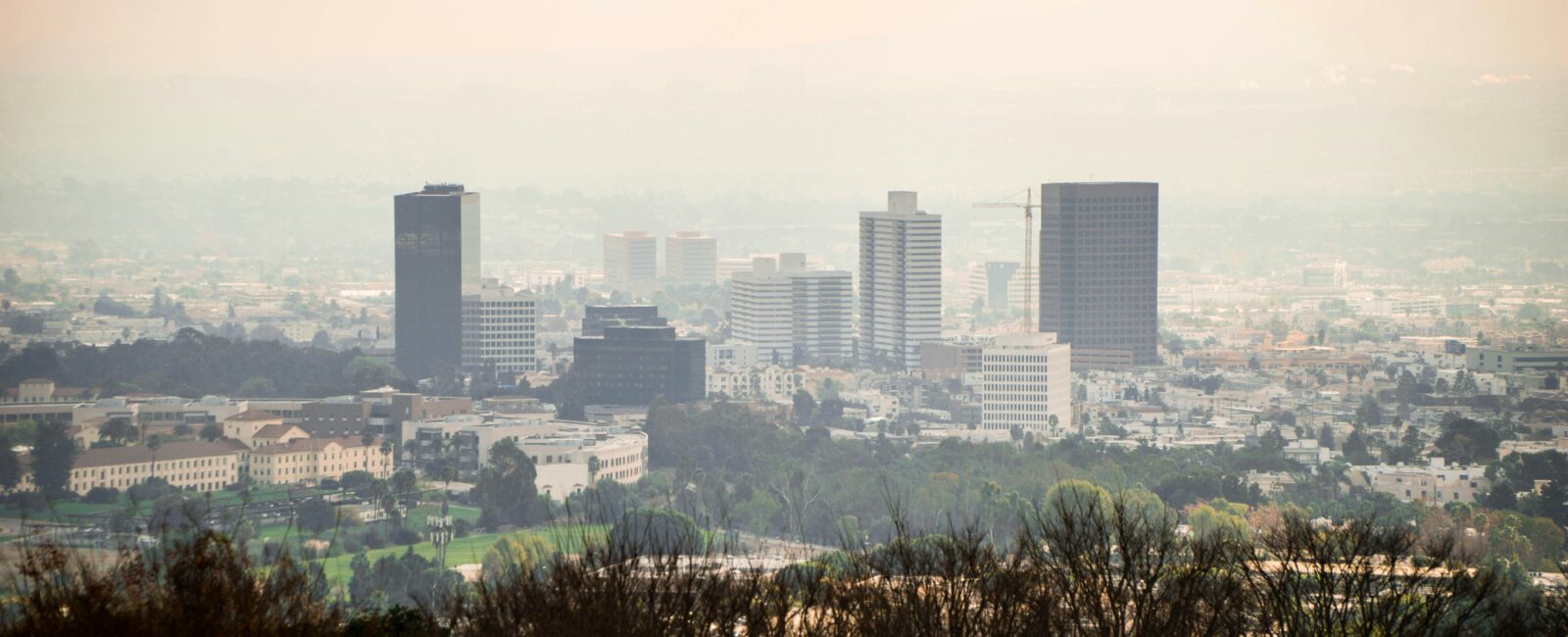
Smoke from wildfires in northern Minnesota and southern Ontario, Canada has spread across Minnesota and the Great Lakes, creating hazardous air quality conditions.
According to the Minnesota Pollution Control Agency, the Twin Cities metropolitan area is under a Hazardous Air Quality Alert, meaning anyone can experience serious complications from breathing the air. People are encouraged to avoid physical activity outdoors and sensitive groups should stay indoors, keep activity levels low and keep indoor air as clean as possible.
The MPCA Alert is valid until Friday at 11 a.m.
The following precautions can be taken for protection against wildfire smoke effects.
- Keep windows and doors closed and seal off any openings to the outdoors.
- Keep the windows closed in your car and set the air to recirculate.
- Run central HVAC to recirculate mode.
- If possible, upgrade to a MERV 13+ filter for your HVAC. Alternatively, you may set up a room with a portable HEPA filter. These can be bought at big box stores as well as local hardware stores.
- If possible, upgrade to a MERV 13+ filter for your HVAC. Alternatively, you may set up a room with a portable HEPA filter. These can be bought at big box stores as well as local hardware stores.
- Pay attention to the AQI. Air quality can be found on most weather apps as well as websites like airnow.gov and accuweather.com. Also check back at the MPCA website for updates.
- Wear an N95 respirator mask if you must spend time outdoors. Request free masks for pickup or delivery from maskbloc_msp. They also have resources for low-cost masks.
- Maskbloc will also be hosting a pop-up at Boneshaker Books, 708 W 26th St., Minneapolis, on Saturday from 11 a.m. – 3 p.m. were masks can be picked up for future use.
- Maskbloc will also be hosting a pop-up at Boneshaker Books, 708 W 26th St., Minneapolis, on Saturday from 11 a.m. – 3 p.m. were masks can be picked up for future use.
- Stay hydrated. Drinking plenty of water helps keeps your lungs and airways moist.
- It also helps the kidneys and liver to remove toxins, which can reduce any systemic inflammation caused by wildfire smoke exposure, per Dr. Sarah Henderson, an Associate Professor with the School of Population and Public Health at the University of British Columbia.
- It also helps the kidneys and liver to remove toxins, which can reduce any systemic inflammation caused by wildfire smoke exposure, per Dr. Sarah Henderson, an Associate Professor with the School of Population and Public Health at the University of British Columbia.
- If you use an inhaler, keep it close by at all times.
- Check in on those most vulnerable.
How to help pets
Assume pets are uncomfortable in the smoke if you are as well. Erica Zurek at MPR spoke with Dr. Kate Farmer of the Animal Humane Society, who broke down how to help them during air quality events.
General smoke protection rules apply to pets as well: stay indoors and underlying health conditions can worsen effects. Watch for discomfort and/or difficulty breathing, since respiratory issue can quickly escalate and contact your veterinarian if you see any signs.
Of course, pets, especially dogs, must go outside eventually. Bathroom breaks should be no longer than 10 minutes when the AQI exceeds 100, per MPR. Go on early morning walks when particulate levels are lowest. Playing indoors with pets can also help them expend excess energy.