

Click for lead photo caption
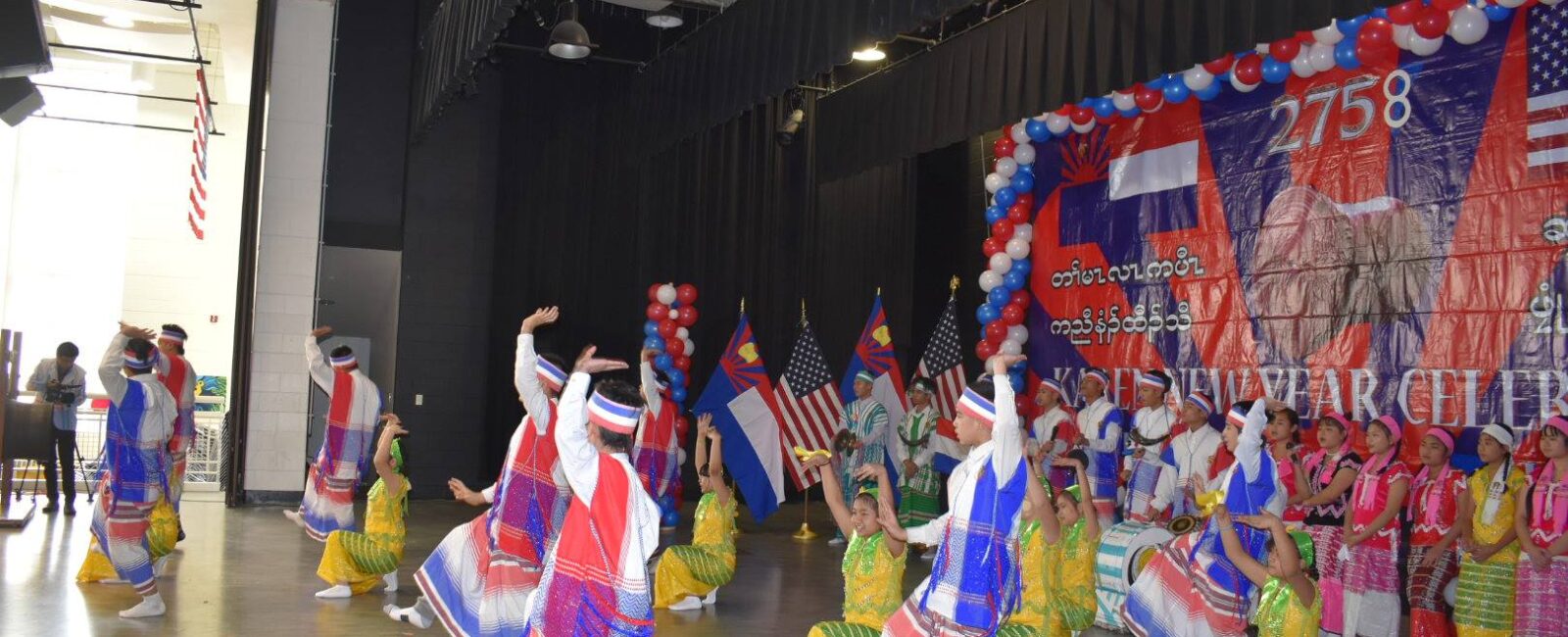
Dancers perform a traditional Karen don dance at the Karen New Year celebration in Saint Paul in 2019. Karen New Year is one of the most important celebrations of the year, often held at the end of December or early January, coinciding with the Karen lunar calendar. This year, Karen New Year will be held in Saint Paul on January 1st, 2026, marking over two decades of the event here in MN.
The Karen, one of Myanmar’s largest ethnic minorities, have faced decades of displacement and persecution, leading many to seek refuge in the United States where their culture, language, and resilience continue to shape community life.
By Max Jasper — reporter
The Karen community in Minnesota is reeling after the United States Department of Homeland Security announced plans to end Temporary Protected Status (TPS) for refugees from Myanmar, also known as Burma. Local leaders say the decision ignores the ongoing humanitarian crisis in the country and places thousands of lives at risk.
Alice Buckner, executive director of the Karen Organization of Minnesota (KOM), headquartered in Roseville, said the announcement felt like “stepping on another shard of glass.” For her, the decision was not surprising, but deeply painful.
“In our community, there are 1,170 people from Burma in Minnesota who had TPS,” Buckner explained. “If they go back there, this is life or death. It’s a very dangerous place.”
The Karen are one of several indigenous groups from Burma who have faced decades of persecution and violence, including the Karenni, Mon and other ethnic groups who now call Minnesota home. Buckner described the term “Karen” as an umbrella word for nations that were never recognized in their homeland.
Minnesota is home to roughly 20,000 Karen refugees, most of whom arrived through camps in Thailand. The majority live in Ramsey County, making Roseville a central hub for the community.
“We are hearing direct reports from our friends and families overseas that things are not safe,” Buckner said. “Politicians may say otherwise, but we know people who couldn’t even identify their family members because their faces couldn’t be recognized.”
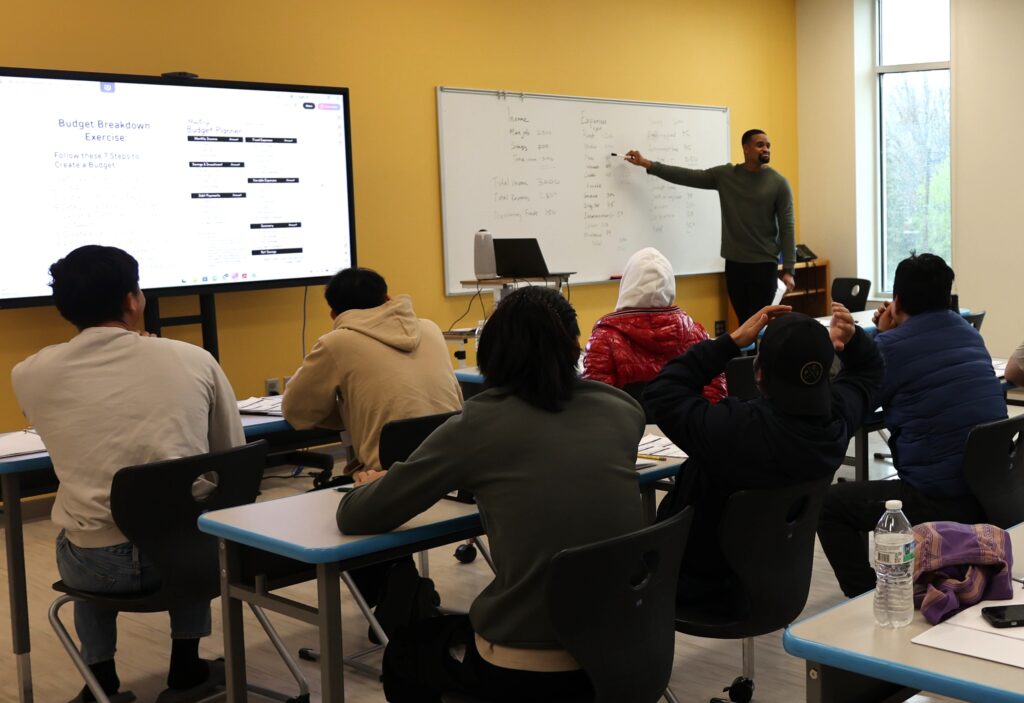
KOM has grown from a grassroots hub for Karen refugees into a full-service social services agency for diverse communities, including Afghans, Ukrainians, Venezuelans and Somalis. Buckner emphasized that immigration policies affect all of these groups.
“Everything that is going on with all the groups, and the news, and the policies, impacts us,” she said.
Minnesota’s elected officials have voiced strong opposition to the federal decision. Rep. Betty McCollum, who represents Roseville and co-leads the bipartisan U.S.-Burma caucus, has long advocated for the Karen community.
Buckner noted that KOM works with leaders across party lines.
“We are a nonpartisan agency,” Buckner said. “We have both parties represented in our governance, and the Burma caucus in the U.S. government is bipartisan.”
Despite the challenges, Buckner highlighted the resilience and contributions of the Karen community. KOM recently had an exhibit for the Smithsonian Folklife Festival and continues to generate one of the highest returns on investment in workforce development in the Twin Cities.
“Every dollar that goes into our employment programs is generating $6.96 back,” Buckner said proudly. “We’re 37 people, and I’ve never worked with such an amazing group before.”
Buckner also stressed the importance of local involvement.
“Knowing that Roseville is the proud home of a recognized best-practice organization is something people should know about,” Buckner said.
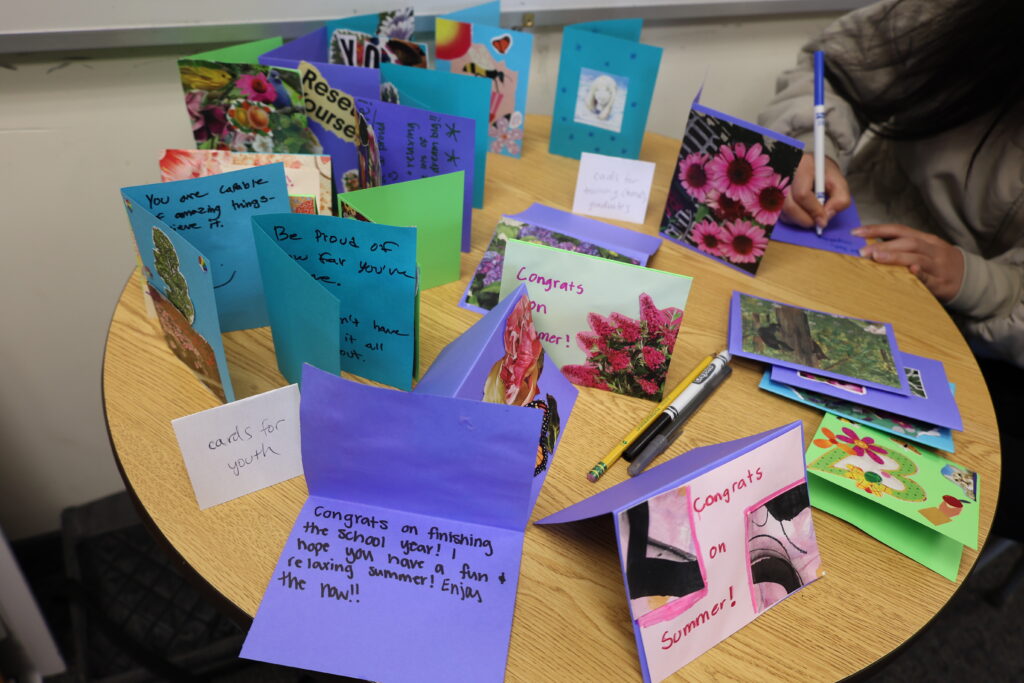
KOM encourages residents to volunteer through initiatives like Roseville Cares, led by grassroots organizer Kathy Rumundt. Opportunities range from interior decorating and data entry to mentoring youth and practicing job interviews.
“There are so many ways people can engage with others from so many different amazing cultures,” Buckner said. “We welcome engagement.”
For Buckner, the issue is not just about Burma.
“You wouldn’t, in good conscience, send somebody back to their imminent death,” she said. “There are humanitarian and moral concerns; it’s not just this one country.”
As the TPS deadline approaches on Jan. 26, the Karen community in Roseville is bracing for uncertainty while continuing to call for compassion and action.
“The only way our communities are going to get through this challenging time is community involvement,” Buckner said. “Whenever feasible, we would love to connect with volunteers and, of course, donors.”