
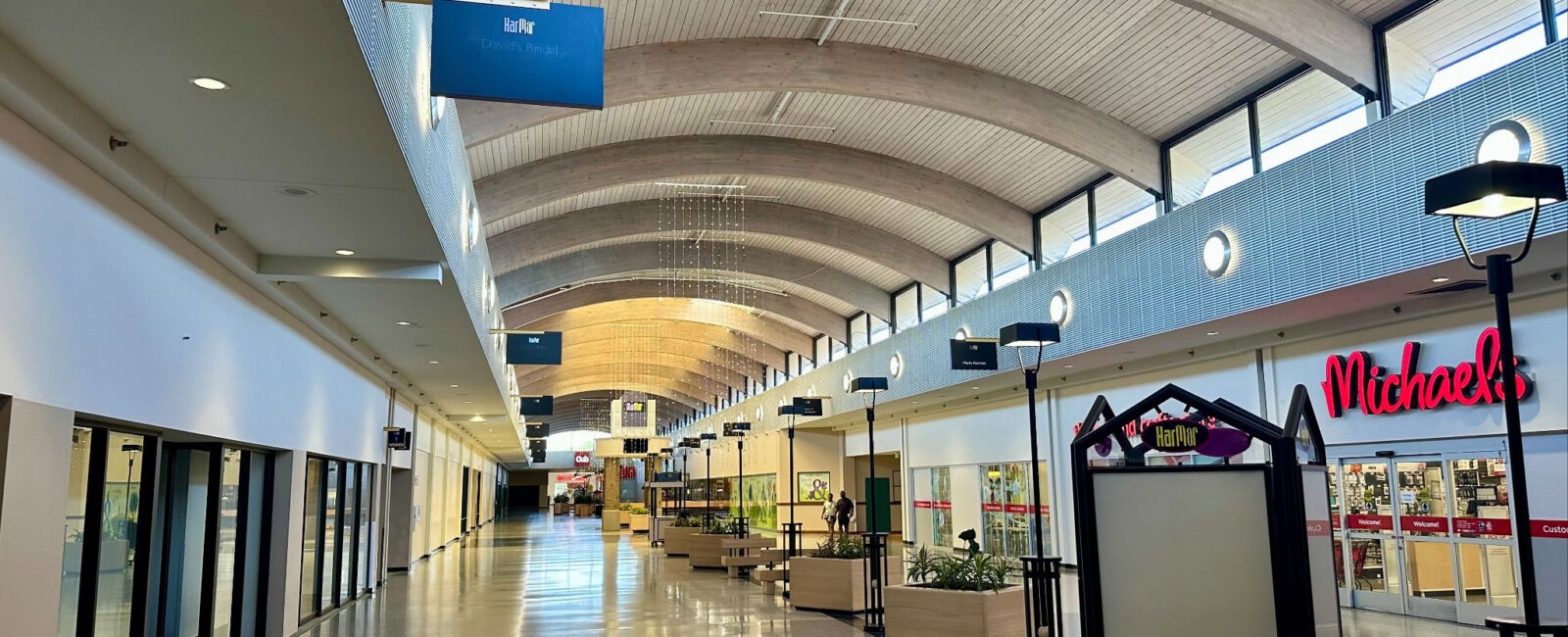
One of HarMar’s many long corridors at its peak time on a Saturday in June. Photo by Max Jasper.
A once bustling suburban landmark now stands quiet, carrying decades of memories in its empty halls
By Max Jasper
Today, the HarMar Mall, located at the intersection of County Road B and Snelling Avenue, sits in a strange state of limbo: a mostly empty shell populated by regular walkers, dark storefronts and businesses that can only be reached from the outside.
Inside, the corridors feel abandoned, lit by flickering lights and lined with locked doors. Old signage still hangs for stores that closed long ago, as if frozen in time. Long hallways stretch out with no barriers, open for anyone to wander through in silence.
But it wasn’t always like this.
The beginning
The inception of HarMar Mall was in 1961, when businessman Harold J. Slawik set out to build what he called a “super mall,” inspired by the enclosed shopping centers he had seen during trips to Florida. He and his wife Marie combined their names to create “HarMar,” and construction began on 50 acres of land at one of Roseville’s busiest intersections.
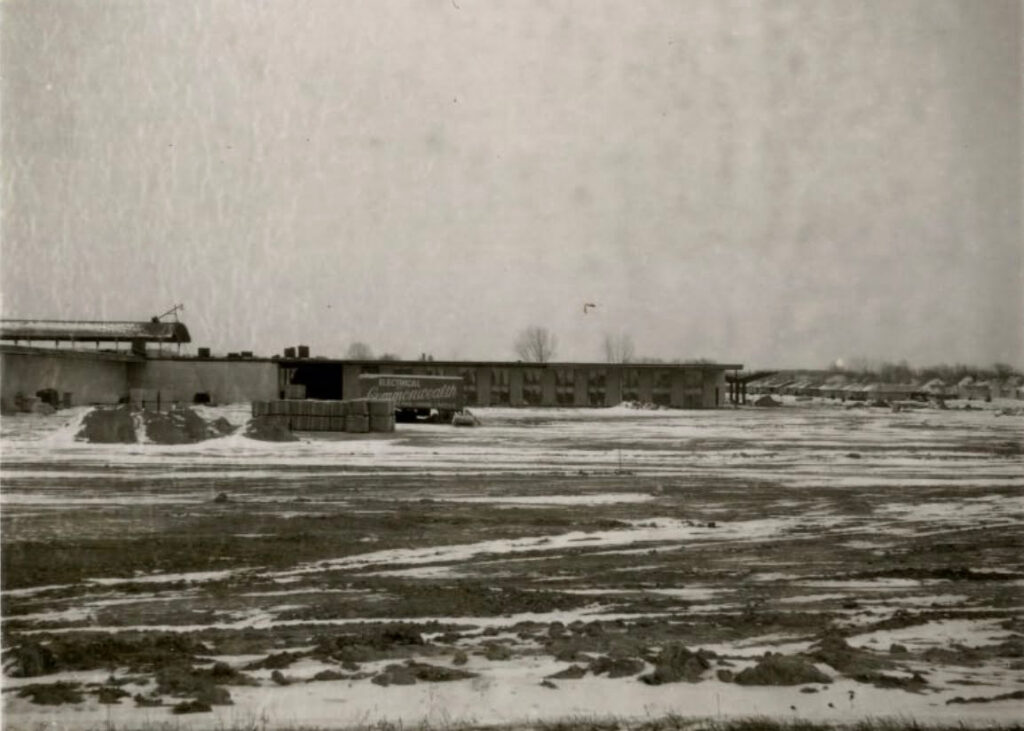
Minnesota designer Willard Thorsen, best known for designing the Apache Plaza shopping center in St. Anthony, Minn., created a layout built around a long corridor that zigzagged at sharp angles, with wide hallways and arched ceilings that allowed natural light to spill into the space. The project cost nearly $6 million and took two years to complete.
In the summer of 1962, Slawik died unexpectedly of a heart attack, leaving Marie to oversee the final stretch of construction. She reportedly worked 80 hour weeks to keep the project moving. When HarMar Mall finally opened in 1963, it stood as one of the first enclosed malls in the country and a bold new landmark for the growing suburb.
The rise of a community hub
In the years that followed its opening, HarMar Mall quickly became a prominent shopping destination in Roseville. In 1962, Target built its first store directly north of the mall, drawing more traffic to the area and helping establish the intersection as a major commercial hub.
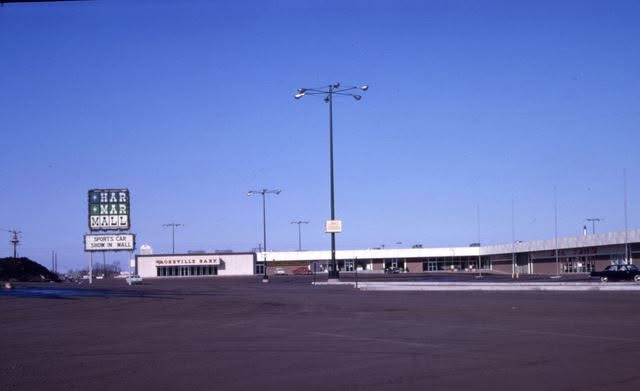
Greg Ralston, who grew up in Shoreview, Minn. in the 1980s, remembers HarMar and Rosedale Mall as the “twin pillars” of local shopping.
“[HarMar] has always been a landmark,” he said. “Either for navigation or as a central hub for food and clothes.”
Ralston said he also remembers driving into Roseville as a kid, when Lexington and Snelling still felt a little more open and wooded. HarMar was where his family went for school clothes, quick errands and almost daily trips with his mom.
“Roseville was the closest city that had many things happening in it,” he said. “Food, bars, theaters, malls, independent stores, the early flagship Target location and much more.”
The golden age of HarMar theaters
HarMar’s most memorable addition arrived on Sept. 16, 1970 with the opening of the HarMar Twin, a two screen movie theater built for the Mann Theatres chain at a cost of more than $750,000. For a suburban mall, the theater was unusually luxurious, featuring Venetian crystal chandeliers, English tapestries, plush red carpeting and what was then cutting edge projection and sound technology.
The HarMar Twin opened to packed houses showing “Two Mules for Sister Sara” and “On a Clear Day You Can See Forever,” quickly becoming one of the most popular theaters in the St. Paul area. Its success was so strong that in 1974, it became the first suburban theater to out-gross a downtown cinema, which signaled a shift in moviegoing habits across the region.
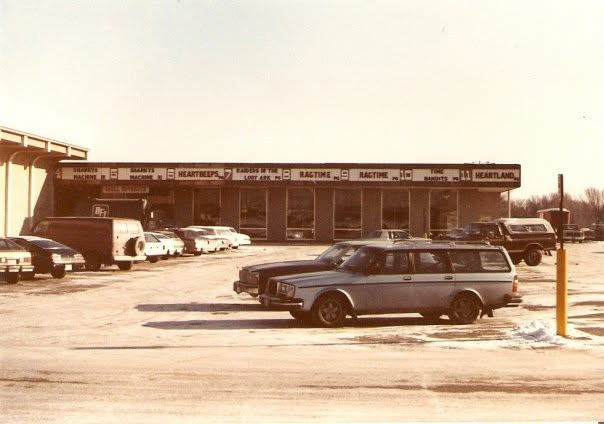
The theater was so successful that it was expanded several times over the next decade. In 1977, the larger auditorium was split to create the HarMar 3, and in 1981, a former grocery store behind the mall was converted into eight additional screens. With 11 screens in total, the HarMar 11 Cinemas became the largest movie theater in Minnesota and remained a prominent movie-watching location for 25 years.
For many locals, the theater was not just a place to watch movies— it was a cultural anchor. Ralston remembers it as a gateway to the “golden era” of films: “E.T.,” “Back to the Future,” “Indiana Jones,” all in booming THX sound.
Reinvention, expansion and a tornado
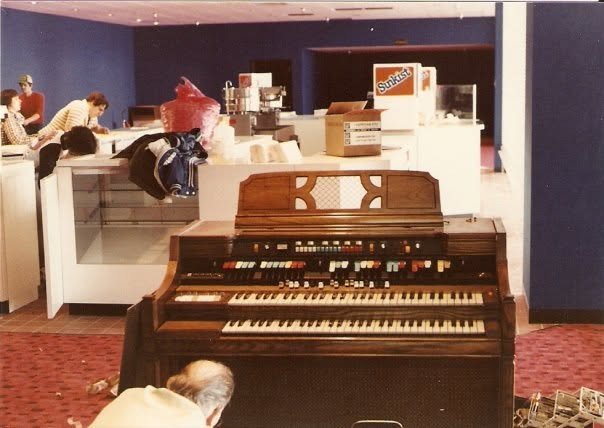
On the afternoon of June 14, 1981, the mall was struck by a tornado that cut across Roseville. Though the mall suffered only cosmetic damage, several nearby businesses and homes were destroyed. In the months that followed, HarMar underwent significant renovations to repair the damage, updating its appearance as well.
Seven years later, a major expansion added new retail space and brought in larger tenants, including Highland Superstore and TJ Maxx. The expansion also introduced a new food court with seating for more than 400 people, a feature that helped solidify HarMar as a full day destination for families.
The retail landscape continued to shift in the early 1990s. Highland Superstore became BizMart in 1991, which was then acquired by OfficeMax in 1992 before closing in 1995. Around this time, the largest Barnes and Noble in Minnesota, (the second largest in the United States behind the New York flagship) opened in the vacant spaces next to the HarMar theater. HomePlace later opened in the former OfficeMax space, which is now occupied by HomeGoods.
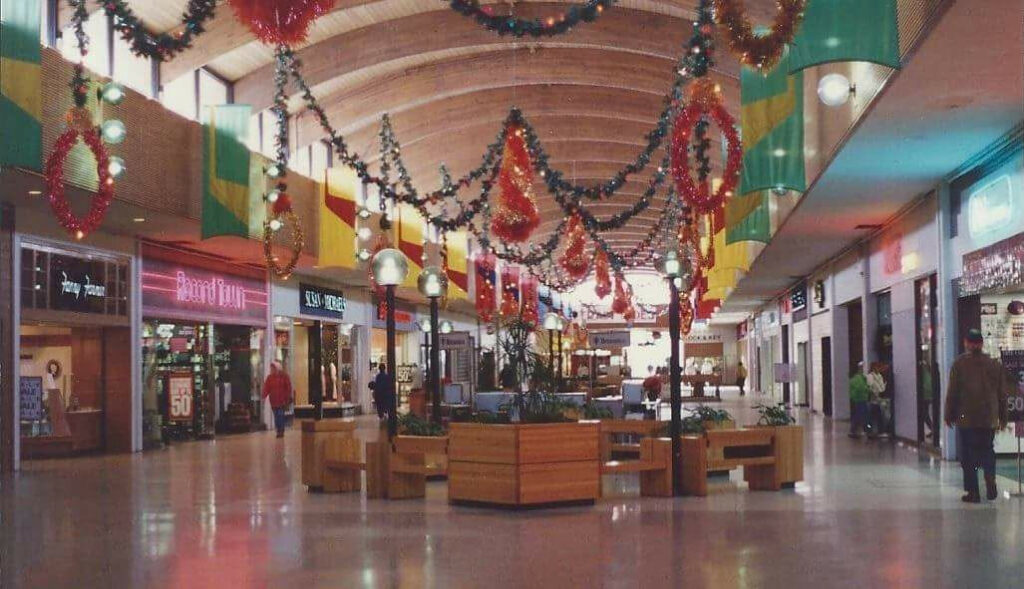
In the 2000s, HarMar received a cosmetic makeover that cost nearly $12 million under previous owner Emmes Realty Services. Emmes explored the possibility of bringing Von Maur to the center, but the proposal never materialized.
The theaters were beginning to show their age by this time, too. Seating styles and projection technology lagged behind newer complexes. In 2006, AMC opened a modern theater at Rosedale with digital projection and stadium seating. The HarMar screens, which had once been the largest and most popular in the state, closed that year.
Despite the theater era concluding, HarMar continued to evolve. In 2014, Burlington Coat Factory announced plans to lease more than 52,000 square feet in a former Northwestern Books space. With Burlington’s arrival, all of HarMar’s anchor tenants were fully leased for the first time in years. New businesses continued to move in, including Staples and dining options like D’Amico and Sons.
HarMar today
As HarMar entered the 2010s and 2020s, several longtime tenants left, accelerating the mall’s decline. Old Chicago, a popular gathering spot for families and sports fans, closed in 2020. Tuesday Morning shut down during the company’s nationwide bankruptcy. Dressbarn, Payless ShoeSource and Famous Footwear also closed as their chains downsized or dissolved. RadioShack, GameStop and Pier 1 Imports left as well, along with smaller specialty shops, salons and independent retailers.
For many longtime residents, the transformation has been difficult to watch.
“It is so sad to see the condition of [the mall] now,” said Shelly Walstrom, who remembers the mall in its lively early years. “Like so many things, it is sad. It’s the end of a different way of life.”
Ralston now brings his own child to HarMar and feels the same sense of loss.
“If it closed [permanently], it might seem like the past and all of its memories are disappearing,” he said.
The change also feels personal for Kate Lynch, who raised her children in Roseville and spent decades visiting HarMar.
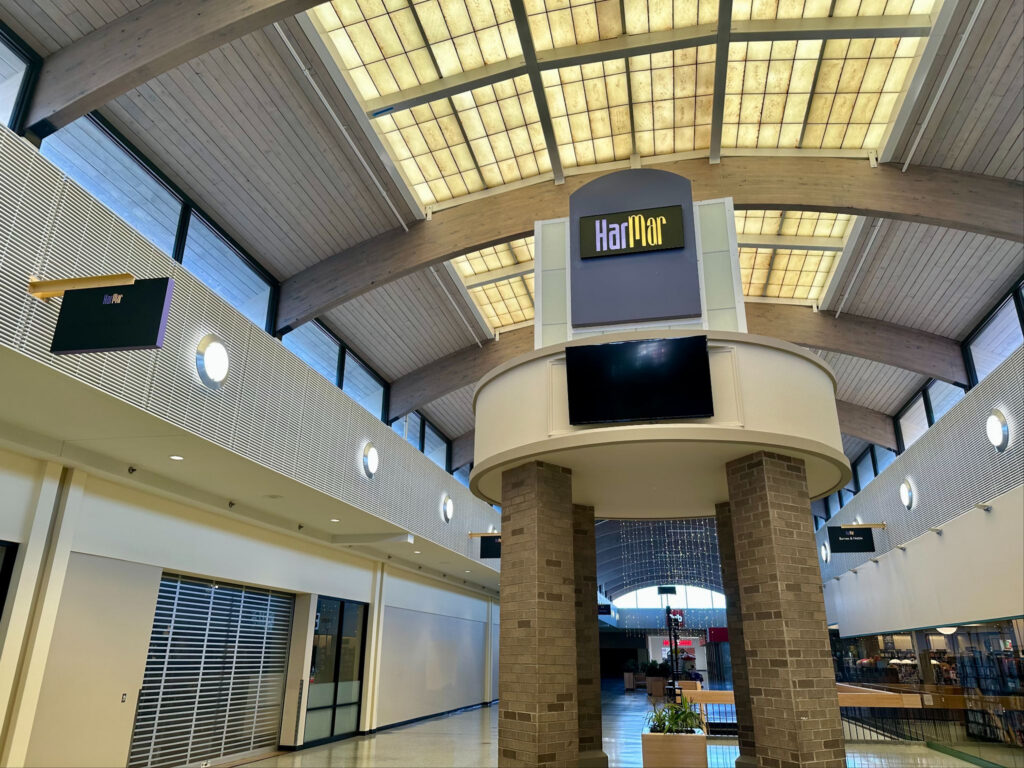
“There was a time when it was full of people,” she said. “Today, I see the empty storefronts and I cannot help but think about everything that used to be there.”
To many, HarMar Mall is more than just a mall; it is a place where birthdays were celebrated, movies were watched, school clothes were bought and everyday life unfolded.
Even as the mall fades into obscurity, those who knew it at its peak still hold their memories with real affection.